Oleocanthal ≥95% High-Purity Olive Bioactive
EXBIOL® provides high-purity Oleocanthal ≥95% by HPLC for phytochemical research, analytical development and specialty formulation projects. For procurement teams, we focus on batch availability, commercial scale and documentation. For R&D teams, qualification centers on purity, chromatographic identity, stability and orthogonal analytical evidence.
| BOTANICAL SOURCE Olea europaea | ACTIVE Oleocanthal | ASSAY ≥95% HPLC | CAS NO. 289030-99-5 | MW 304.34 g/mol |
1. Procurement & R&D Dual-Track Supply
| For Sourcing & Procurement Confirm current assay, batch availability, pack size, lead time and project volume before qualification. High-purity Oleocanthal should be sourced by actual batch assay rather than generic “olive polyphenol” terminology. | For R&D & Analytical Teams Review HPLC purity, LC-MS identity, chromatographic profile, physical form, solvent history and stability conditions before incorporating the material into analytical or formulation programs. |
2. What Is Oleocanthal?
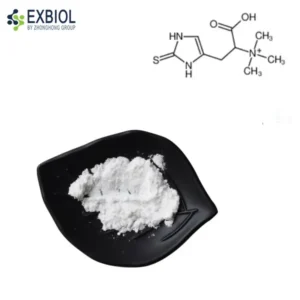
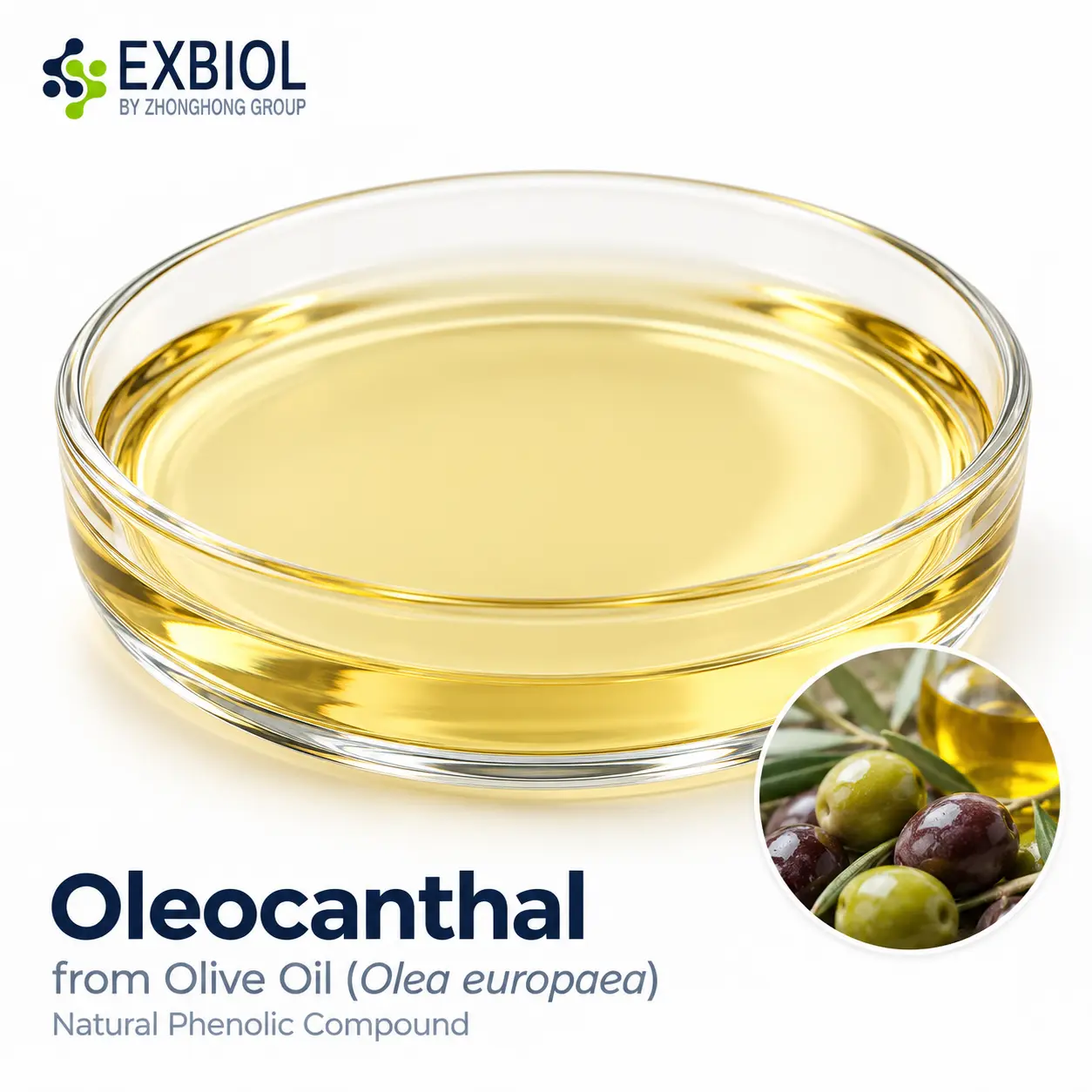
Oleocanthal is a naturally occurring olive secoiridoid commonly associated with extra-virgin olive oil. Chemically, it is a phenolic dialdehyde also known as (−)-Oleocanthal or deacetoxy ligstroside aglycone.
3. Chemical Identity & Reference Data
| Parameter | Reference Data |
|---|---|
| Product Name | Oleocanthal |
| Synonym | (−)-Oleocanthal / Deacetoxy Ligstroside Aglycone |
| CAS No. | 289030-99-5 |
| Molecular Formula | C17H20O5 |
| Molecular Weight | 304.34 g/mol |
| Chemical Class | Phenolic secoiridoid / dialdehyde |
4. Botanical Source & Isolation Strategy
Oleocanthal is associated with Olea europaea and particularly the phenolic fraction of virgin olive oil. High-purity production requires selective enrichment, separation and purification rather than conventional botanical extraction alone.
Exact feedstock, solvent system and isolation sequence should be disclosed according to the qualified production batch and intended application.
5. Commercial Technical Specification
| Parameter | EXBIOL® Target | Method |
|---|---|---|
| Oleocanthal | ≥95.0% | HPLC |
| Custom High-Purity Grade | ≥98.0% only when batch-confirmed | HPLC |
| Identity | Conforms | LC-MS / MS |
| Physical Form | Batch-specific | Visual |
| Regulatory Standard | In-house Standard | Internal Specification |
6. High-Purity Oleocanthal vs. Olive Oil Content
Oleocanthal naturally occurs at relatively low concentrations within a complex olive-oil matrix. A ≥95% isolated material is therefore analytically and commercially different from high-phenolic olive oil or standardized olive polyphenol extracts.
| Material | Oleocanthal Positioning | Typical Use |
|---|---|---|
| Extra-Virgin Olive Oil | Naturally occurring minor phenolic | Food / nutrition research |
| Olive Polyphenol Extract | Multi-component phenolic profile | Bulk functional ingredient |
| Oleocanthal ≥95% | Compound-specific high-purity material | R&D / analytical / specialty formulation |
7. HPLC Assay & Chromatographic Verification
For commercial release, EXBIOL® recommends quantitative HPLC as the primary purity assay, supported by a batch chromatogram and qualified reference material where applicable.
| Quantification HPLC assay against the approved product specification. | Chromatogram Peak profile supplied for technical batch review. | Orthogonal Identity LC-MS / MS and optional NMR for advanced qualification. |
8. LC-MS/MS Method Considerations
Oleocanthal contains reactive aldehyde functionality. Published LC research has shown that solvent and chromatographic conditions can influence the formation of hemiacetal or acetal derivatives, potentially complicating quantitative analysis.
9. Representative Active-Compound COA Matrix
| Test Item | Specification | Method |
|---|---|---|
| Oleocanthal | ≥95.0% | HPLC |
| Identity | Conforms | LC-MS / MS |
| Molecular Ion / Mass | Consistent with Oleocanthal | MS |
| Appearance | Batch-specific | Visual |
| Water / Moisture | Per approved batch specification | KF / Validated Method |
Actual batch results must be taken from the current EXBIOL® Certificate of Analysis.
10. Elemental Impurities & Residual Solvents
Qualification targets below are project controls, not claimed batch results. Final limits should follow the approved grade and destination market.
| Control | Qualification Direction | Method |
|---|---|---|
| Lead (Pb) | Project-specific limit | ICP-MS |
| Arsenic (As) | Project-specific limit | ICP-MS |
| Cadmium (Cd) | Project-specific limit | ICP-MS |
| Mercury (Hg) | Project-specific limit | ICP-MS |
| Residual Solvents | Per manufacturing process / agreed specification | HS-GC / GC-MS |
11. Botanical-Origin Contaminant Qualification
For projects intended beyond analytical research, botanical-origin risk controls can be added according to the customer’s regulatory program.
| Screen | Qualification | Method |
|---|---|---|
| Multi-Residue Pesticides | Destination-market specification | GC-MS/MS + LC-MS/MS |
| Microbiological Screen | Where applicable to final grade | USP <61> / <62> or agreed method |
| Adulterant / Identity Review | Project-specific | Chromatographic / Spectrometric |
12. Stability, Light & Oxygen Sensitivity
Oleocanthal is a reactive olive secoiridoid. Published olive-oil studies show that prolonged light, oxygen and elevated-temperature exposure can accelerate phenolic degradation and decrease Oleocanthal concentration.
| Temperature | Low-temperature storage recommended; final requirement follows batch TDS. |
| Light | Protect from direct and prolonged light exposure. |
| Oxygen | Minimize headspace oxygen; inert-gas protection may be appropriate. |
| Container | Tightly sealed, light-protective primary packaging. |
13. Physical Form & Solubility Considerations
High-purity Oleocanthal should not automatically be described as a standardized botanical powder. Depending on purification, solvent removal and final handling, commercial reference materials have been supplied as film, neat oil or solid forms.
| Property | Technical Position |
|---|---|
| Physical Form | Declare from actual batch COA |
| Water Solubility | Do not assume water soluble |
| Organic Solvents | Solubility reported in solvents such as DMSO / acetonitrile for reference materials |
| Formulation Compatibility | Evaluate in the customer’s actual matrix |
14. Oleocanthal vs. Hydroxytyrosol, Oleuropein & Oleacein
| Olive Bioactive | Chemical Position | Typical Commercial Position |
|---|---|---|
| Oleocanthal | Phenolic secoiridoid / dialdehyde | High-value phytochemical / research active |
| Hydroxytyrosol | Simple phenolic alcohol | Broader nutraceutical / cosmetic ingredient |
| Oleuropein | Secoiridoid glycoside | Olive leaf standardized extract marker |
| Oleacein | Related dialdehydic secoiridoid | Specialty olive phenolic / research compound |
Together, these molecules support an EXBIOL® Olive Bioactives analytical and sourcing cluster rather than isolated single-product pages.
15. Research & Formulation Applications
| Analytical Standards Method development, LC-MS workflows and phytochemical characterization. | Life-Science R&D Research programs investigating olive secoiridoid biology and mechanism. | Specialty Formulation Feasibility work where purity, stability and matrix compatibility are controlled. |
16. R&D Scale to Commercial Qualification
Unlike conventional bulk olive extracts, high-purity Oleocanthal is a specialty molecule. Procurement should therefore move through technical qualification rather than assuming standard 1 kg / 25 kg botanical-extract economics.
MOQ, pack size and lead time should be quoted against assay, physical form, annual demand and current production batch.
17. Technical Documentation & Regulatory Position
| Core Documentation COA • Specification / TDS • SDS • HPLC Chromatogram • Manufacturing Summary • Batch Traceability | Advanced Qualification LC-MS • Residual Solvents • Elemental Impurities • NMR / Identity Support • Stability Review |
Food, dietary supplement, cosmetic and pharmaceutical suitability must be assessed independently for each destination market and intended use.
18. Technical FAQ for Oleocanthal Buyers
What purity of Oleocanthal does EXBIOL target?
The primary page specification is Oleocanthal ≥95.0% by HPLC. A ≥98% grade should only be quoted when supported by the applicable production batch.
Is Oleocanthal the same as hydroxytyrosol or oleuropein?
No. They are chemically distinct olive-derived bioactives with different structures, analytical methods and commercial positioning.
Why is LC-MS useful in addition to HPLC?
HPLC provides quantitative purity control, while LC-MS or MS provides orthogonal molecular identity and helps strengthen technical qualification.
Why does the physical form vary?
High-purity Oleocanthal has been supplied commercially as film, neat oil and solid forms depending on isolation, solvent removal and handling. The actual EXBIOL batch form should therefore be declared on its COA.
How should Oleocanthal be stored?
Low-temperature, light-protected and tightly sealed storage is recommended. Oxygen exposure should be minimized and final conditions should follow the batch TDS.
Can EXBIOL provide a chromatogram and technical dossier?
Yes. Technical qualification can include the applicable batch COA, HPLC chromatogram, specification, SDS and additional analytical documentation according to project requirements.
19. Scientific References & Analytical Context
- PubChem. Oleocanthal, CID 11652416. CAS 289030-99-5; molecular formula C17H20O5; molecular weight 304.34 g/mol.
- Sánchez de Medina V, et al. Quantitative determination of oleocanthal and oleacein by LC-MS/MS. Talanta. DOI: 10.1016/j.talanta.2016.09.056.
- Cicerale S, et al. Storage of extra virgin olive oil and its effect on Oleocanthal concentration. Food Research International.
- Published research on EVOO phenolic stability, oxidation and storage-related changes in secoiridoids.
Scientific references are provided for research and analytical context. They do not constitute therapeutic claims or automatic regulatory authorization for the commercial ingredient.
Qualifying Oleocanthal? Start With the Actual Batch Data.
Send your target purity, evaluation quantity, annual demand, destination market and intended application. EXBIOL® can prepare the appropriate analytical and commercial qualification package.
EXBIOL® • Phytochemical Technology Platform
Analytical Verification • Industrial Engineering • Regulatory Support
[email protected]