
Innovating with Adaptogens: Formulating Functional Foods & Beverages with Shilajit Extract
By AiHerba R&D Team | Product Formulation Insights | Estimated Reading Time: 10 Minutes
The era of “pill fatigue” is here. Modern consumers no longer want to swallow a handful of capsules to get their daily wellness support. Instead, they expect their morning coffee, afternoon sparkling water, and post-workout gummy to do the heavy lifting.
This shift has created a massive opportunity in the functional food and beverage (F&B) sector. But while adding vitamins to water is easy, formulating with trending botanical adaptogens presents unique R&D hurdles.
Currently, one of the most requested ingredients in functional CPG (Consumer Packaged Goods) is Shilajit. Known for its rich Fulvic Acid content and cellular energy support, Shilajit is transitioning from niche supplement aisles to mainstream functional foods.
However, taking a dark, earthy, mineral-rich compound and putting it into a great-tasting gummy or clear beverage is no small feat. For food scientists and procurement teams, succeeding with this ingredient requires the right raw material specifications. In this guide, we break down the technical challenges, application strategies, and compliance factors for sourcing food-grade Shilajit Extract.
The Formulation Challenge: Taste, Color, and Solubility
When brand managers pitch a “Shilajit-infused energy drink,” formulators usually cringe. Why? Because raw Shilajit resin is highly viscous, insoluble in cold water, and carries a very distinct, bitter, and smoky flavor profile.
To successfully incorporate it into a functional food matrix, you must source a highly refined, spray-dried Shilajit Extract powder. Here is how the right raw material solves the top three formulation challenges:
1. Solubility (The Beverage Hurdle)
Raw resin or low-grade powders will leave a sandy sediment at the bottom of a beverage can, destroying the consumer experience.
- The Solution: You need a 100% water-soluble extract. At AiHerba, our extraction process yields a fine powder that dissolves completely in both hot and ambient water without agglomeration, making it ideal for RTD (Ready-to-Drink) beverages and stick packs.
2. Taste Masking (The Gummy Hurdle)
Shilajit contains over 80 trace minerals, which gives it a metallic, earthy bitterness.
- The Solution: You cannot hide Shilajit in a delicate vanilla or light citrus flavor. R&D teams should pair Shilajit with robust flavor systems. We’ve seen excellent results when formulators use dark chocolate, espresso, mixed berry, or ginger-citrus profiles, combined with natural bitterness blockers (like monk fruit or specific mushroom mycelium extracts).
3. Heat Stability (The Baking Hurdle)
If you are formulating a baked nutrition bar, the bioactive compound—Fulvic Acid—must survive the thermal processing step.
- The Solution: Standardized Shilajit extract is surprisingly heat-stable compared to certain vitamins (like Vitamin C). It can withstand the standard extrusion and baking temperatures of protein bars without significant degradation of its active markers.
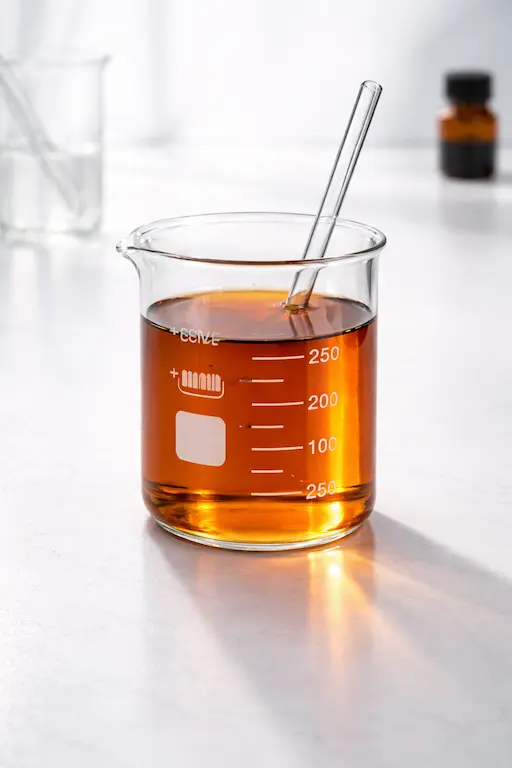
Top 3 Functional Food Applications for Shilajit Extract
How are leading wellness brands utilizing this adaptogen? Here is a breakdown of the most popular applications and our recommended technical specifications.
Application 1: Adaptogenic Coffee & RTD Energy Drinks
Consumers are seeking “clean energy” without the caffeine crash. Shilajit is often paired with L-Theanine or Lion’s Mane mushroom to support sustained focus and mitochondrial efficiency.
- Recommended Dose: 150mg – 250mg per serving.
- R&D Tip: Because Shilajit naturally turns water dark amber/brown, it blends perfectly into the visual profile of coffee, cold brews, and dark teas.
- [Internal Link: Explore our Water-Soluble Shilajit Extract for Beverages]
Application 2: Functional Wellness Gummies
Gummies remain the fastest-growing delivery format. Shilajit fits perfectly into “Men’s Health” or “Daily Vitality” gummy lines.
- Recommended Dose: 100mg – 200mg per 2-gummy serving.
- R&D Tip: Shilajit can affect the pH of your pectin or gelatin base, potentially altering the set time. Work with a standardized extract (like our 50% Fulvic Acid spec) to ensure batch-to-batch pH consistency.
Application 3: Nutrition & Protein Bars
Used as a premium add-in for high-performance sports bars.
- Recommended Dose: 250mg per bar.
- R&D Tip: The earthy notes of Shilajit complement cacao, peanut butter, and sea salt flavor profiles seamlessly.
Formulation Reference Table for B2B Buyers
| Application Format | Target Spec | Critical Quality Attribute (CQA) | Flavor Pairing Suggestions |
| RTD Beverages | 50% Fulvic Acid | 100% Cold-Water Solubility | Espresso, Dark Cherry, Cola |
| Gummies | 20% – 50% Fulvic Acid | Fine Mesh Size, pH Stability | Mixed Berry, Ginger-Lemon |
| Powder Stick Packs | 50% Fulvic Acid | Flowability, Low Hygroscopicity | Chocolate, Mocha, Chai |
Navigating Food Safety: Heavy Metals & FSMA Compliance
This section addresses the primary concern of Quality Assurance (QA) and Procurement teams.
The dietary supplement industry has strict rules, but the Food and Beverage sector operates under even tighter regulatory scrutiny regarding heavy metals and microbial contamination.
Because Shilajit is sourced from high-altitude rocks, it naturally co-exists with heavy metals (Lead, Arsenic, Cadmium, Mercury). Using unrefined Shilajit in a food product is a fast track to product recalls and FDA warning letters.
The AiHerba Manufacturing Standard
As a B2B manufacturer, we don’t just supply raw materials; we supply regulatory peace of mind. To meet food-grade safety standards (including FSMA compliance in the US and EFSA guidelines in the EU), our Shilajit extract undergoes a proprietary heavy-metal remediation process.
- Selective Extraction: Utilizing food-grade solvents (purified water) to draw out Fulvic Acid while leaving insoluble heavy metal salts behind.
- Stringent Lab Testing: Every batch is tested via ICP-MS (Inductively Coupled Plasma Mass Spectrometry) to ensure heavy metals are well below the strict thresholds required for functional foods.
- Microbial Control: High-temperature, short-time (HTST) drying ensures zero pathogens (Salmonella, E. coli) without degrading the bioactives.
View AiHerba’s GMP Factory & Quality Control Certifications]
Sourcing Strategy: Why B2B Brands Choose Standardized Powder
Procurement teams often ask: “Why shouldn’t we just buy raw Himalayan Shilajit resin in bulk?”
For a commercial food manufacturing facility, resin is a logistical nightmare. It is temperature-sensitive (becoming rock hard in cold environments and sticky in heat), impossible to weigh accurately on automated lines, and cannot be uniformly mixed into dry powders or liquids.
Standardized Shilajit Extract Powder provides:
- Manufacturing Efficiency: Easy to scale, weigh, and blend in large commercial mixers.
- Label Claim Accuracy: Guaranteed Fulvic Acid levels (e.g., exactly 50%) ensure your nutritional panel is accurate and compliant.
- Longer Shelf Life: Lower moisture content reduces microbial risks in your finished product.
Frequently Asked Questions by Food Scientists (FAQ)
Q: Does Shilajit Extract interact with other active ingredients in a beverage matrix?
A: Shilajit is relatively stable. In fact, Fulvic Acid is a natural chelator and can sometimes enhance the stability and bioavailability of other minerals (like Magnesium or Zinc) in your functional beverage.
Q: Is your Shilajit Extract considered GRAS (Generally Recognized as Safe)?
A: Shilajit has a long history of traditional use. For specific food applications in the US market, companies often rely on self-affirmed GRAS status for Fulvic Acid complexes at specified usage levels. We provide all necessary safety data, heavy metal profiles, and manufacturing flowcharts to support your compliance team’s review.
Q: What is the Minimum Order Quantity (MOQ) for commercial production?
A: We understand that F&B scale-up requires flexibility. We offer low MOQs for pilot runs and R&D trials, scaling up to multi-ton global supply for full commercial launches.
Partner with a Manufacturer Who Understands Food Science
Adding a powerful adaptogen like Shilajit to a food or beverage product can drastically elevate your brand’s market positioning. But execution is everything. You need an ingredient that tastes manageable, dissolves perfectly, and passes every safety audit.
At AiHerba, we bridge the gap between ancient botanicals and modern food science. We provide factory-direct pricing, custom specifications, and the technical support your R&D team needs to launch successfully.
Ready to start your formulation trial?
Request a technical data sheet (TDS), nutritional profile, and a free lab-scale sample today.
[CTA Button: Request B2B Pricing & Free R&D Sample]
(Link directly to the Inquiry Form – liaodaohai@gmail.com / sales@aiherba.com)
References & Regulatory Context
To support your formulation research, please refer to the following scientific and regulatory resources:
- Safety & Toxicology: Velmurugan, C., et al. (2012). Evaluation of safety profile of black shilajit after 91 days repeated administration in rats. Asian Pacific Journal of Tropical Biomedicine. [Link via NIH / PubMed]
- Fulvic Acid Properties: Winkler, J., & Ghosh, S. (2018). Therapeutic Potential of Fulvic Acid in Chronic Inflammatory Diseases and Diabetes. Journal of Diabetes Research. [Link via PubMed]
- Food Safety Regulations: U.S. Food and Drug Administration (FDA). Food Safety Modernization Act (FSMA) Rules & Guidance for Preventive Controls.
- Heavy Metal Limits: European Food Safety Authority (EFSA). Maximum levels for certain contaminants in foodstuffs (Regulation EC No 1881/2006).
